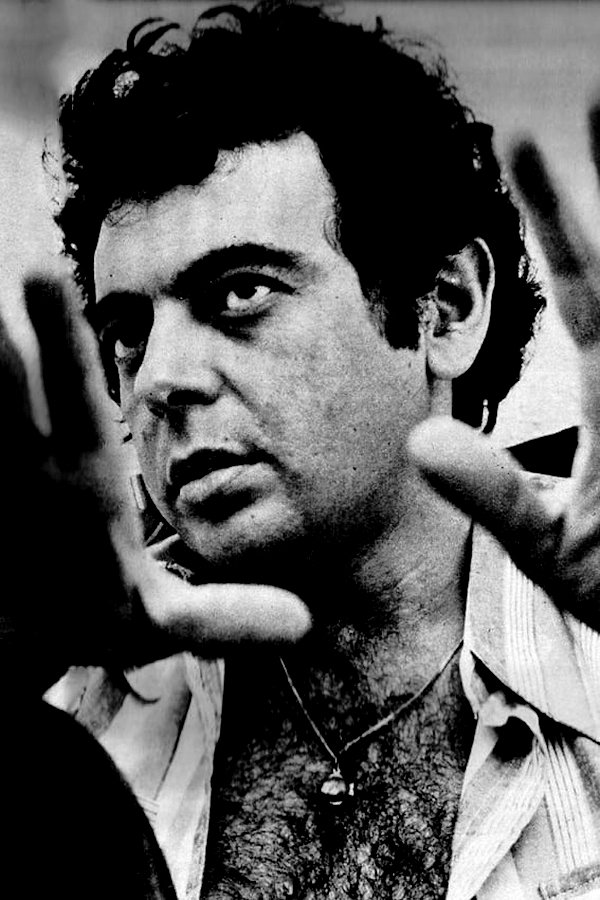
Glauber Rocha
March 14, 1939 · 87 years old
Glauber de Andrade Rocha (Vitória da Conquista, March 14, 1939 — Rio de Janeiro, August 22, 1981) was a Brazilian filmmaker, considered by critics, specialized journalists and the public as one of the biggest names in the history of Brazilian cinema. Revered as a revolutionary genius, he was one of…
Known For
8 titles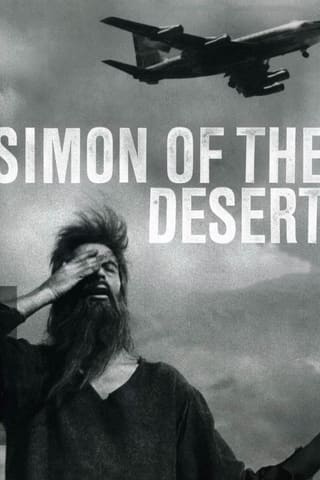
Simon of the Desert
Simon, a deeply religious man living in the 4th century, wants to be nearer to God so he climbs a column. The Devil wants him to come down to Earth and is trying to seduce him.

Antonio das Mortes
In this sequel to "Black God, White Devil", Antonio das Mortes must return back to action after killing the last of the Cangaceiros 29 years ago, when a new outlaw appears, who will eventually reveal as an idealist and mark him pr...

The Turning Wind
In the State of Bahia, Brazil, an educated black man returns to his home fishing village to try and free people from mysticism, in particular the Candomblé religion, which he considers a factor of political and social oppression.

Wind from the East
A filmic essay on class struggle which draws on images from westerns but has no plot and is both an experiment in making a revolutionary film and an interrogation of how successfully such a film can be revolutionary.
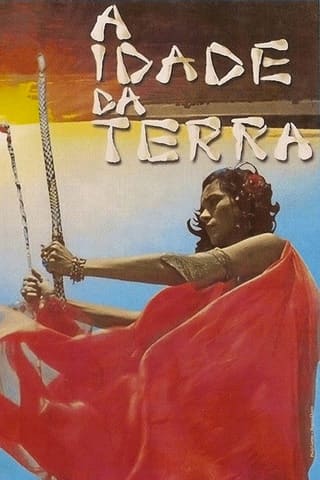
The Age of the Earth
Four Third-World Christs try to stop the American industrialist John Brahms in Glauber Rocha's experimental film inspired by Pier Paolo Pasolini's murder.
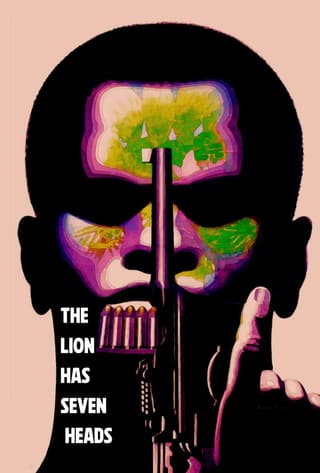
The Lion Has Seven Heads
A Latin-American insurgent and a black leader join forces to free an African nation. But they'll have to face a German mercenary aided by an American agent and a Portuguese advisor, all working for a mysterious woman.

Cinema Novo
Cinema Novo is a movie-essay that investigates poetically the most important movement of Latin America cinema, through the thoughts of its main auteurs: Nelson Pereira dos Santos, Glauber Rocha, Leon Hirszman, Joaquim Pedro de And...

Antena da Raça
The film appropriates and discusses Brazilian reality based on dialogues, excerpts and scenes from Glauber Rocha's visceral films and his desire to 'remove the masks' from Brazil's third world saga.